John-Anthony Boerma
Memory, desire, exile and identity — painted through the intimate language of objects, text and ritual.
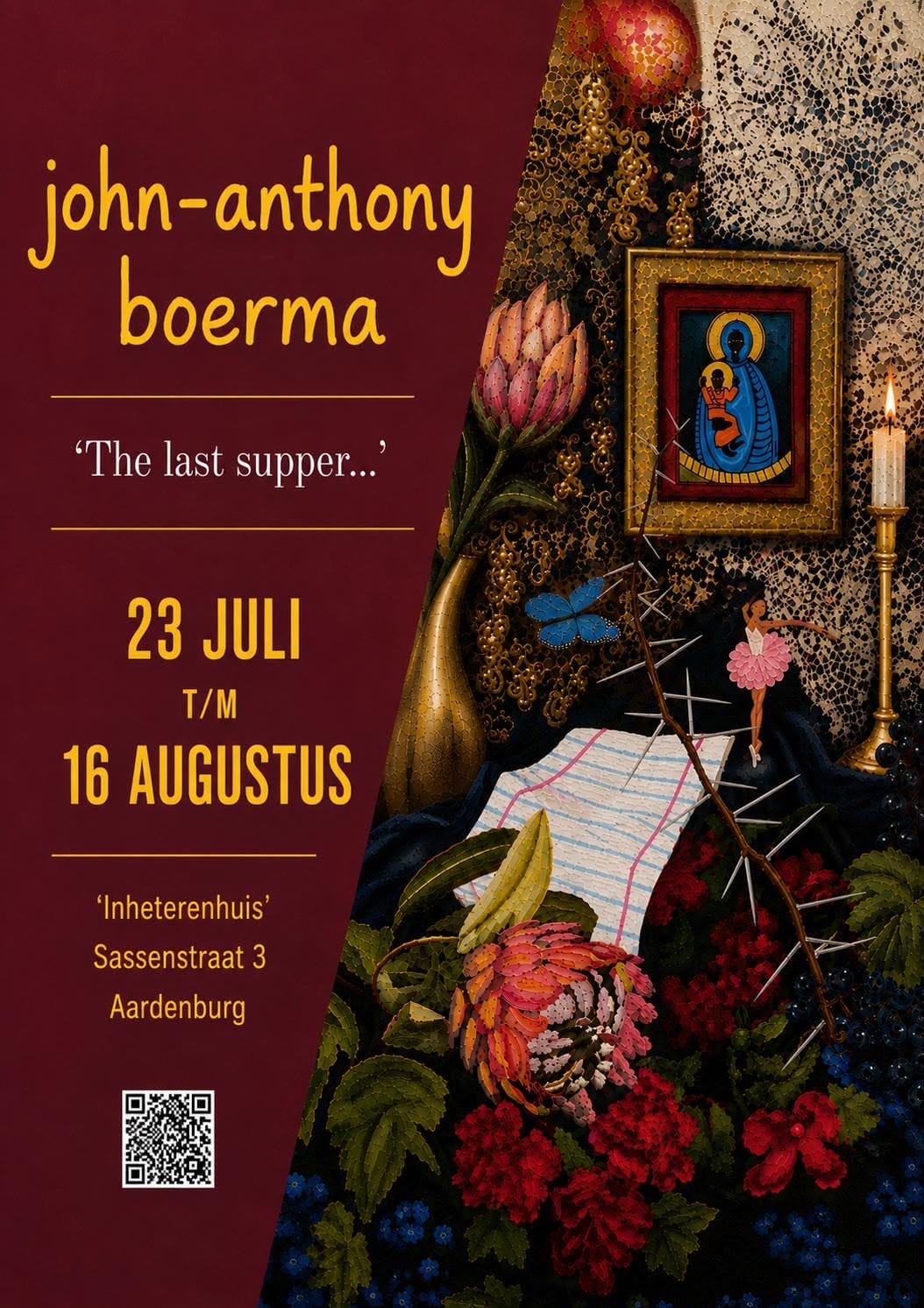
John-Anthony Boerma’s work emerges from a life shaped by displacement, queer identity, apartheid-era South Africa, European exile, and the charged emotional landscape of Johannesburg. His paintings, installations and text-based works hold personal memory and historical inheritance in the same frame — intimate, symbolic, and unresolved.
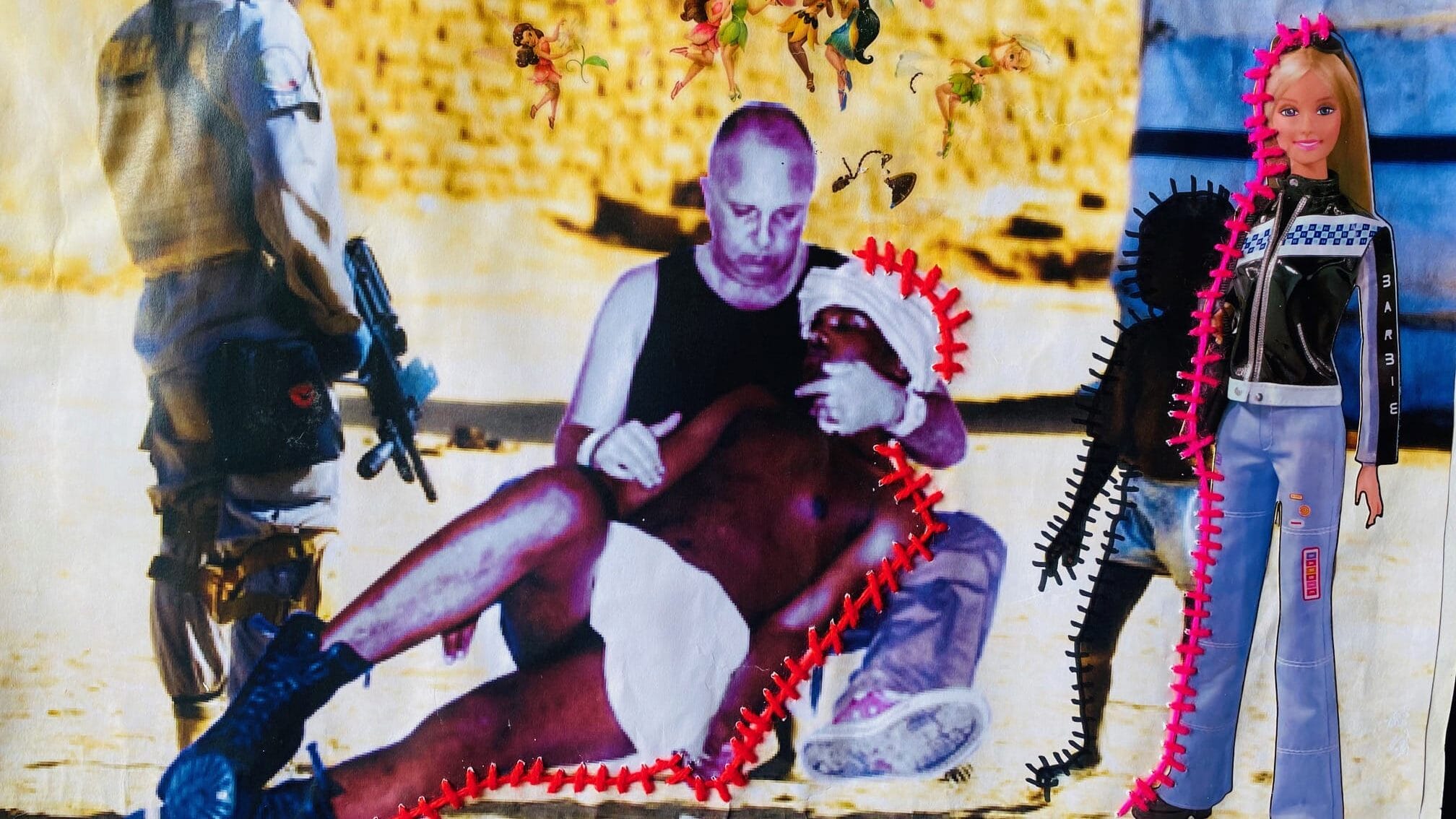
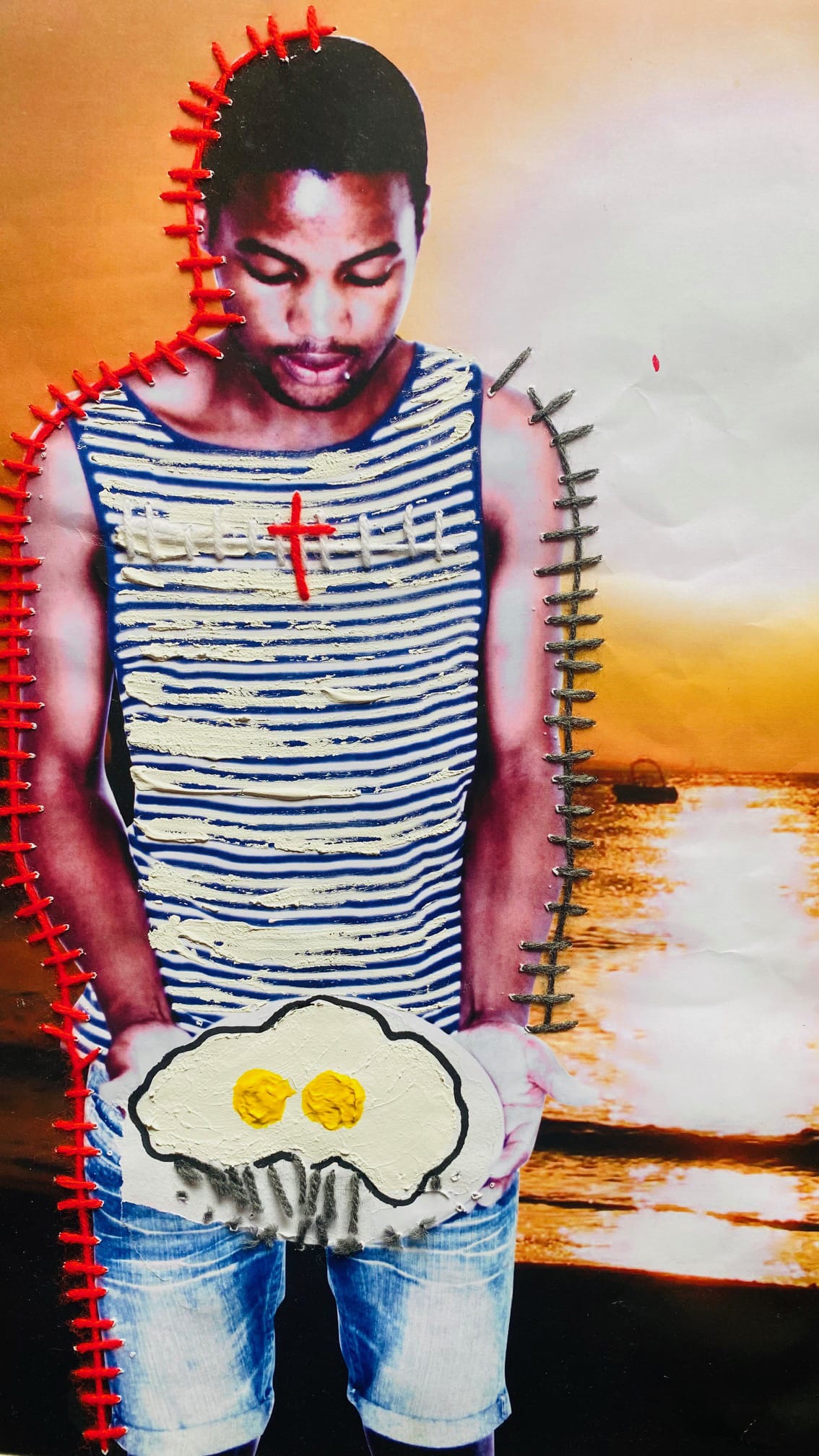
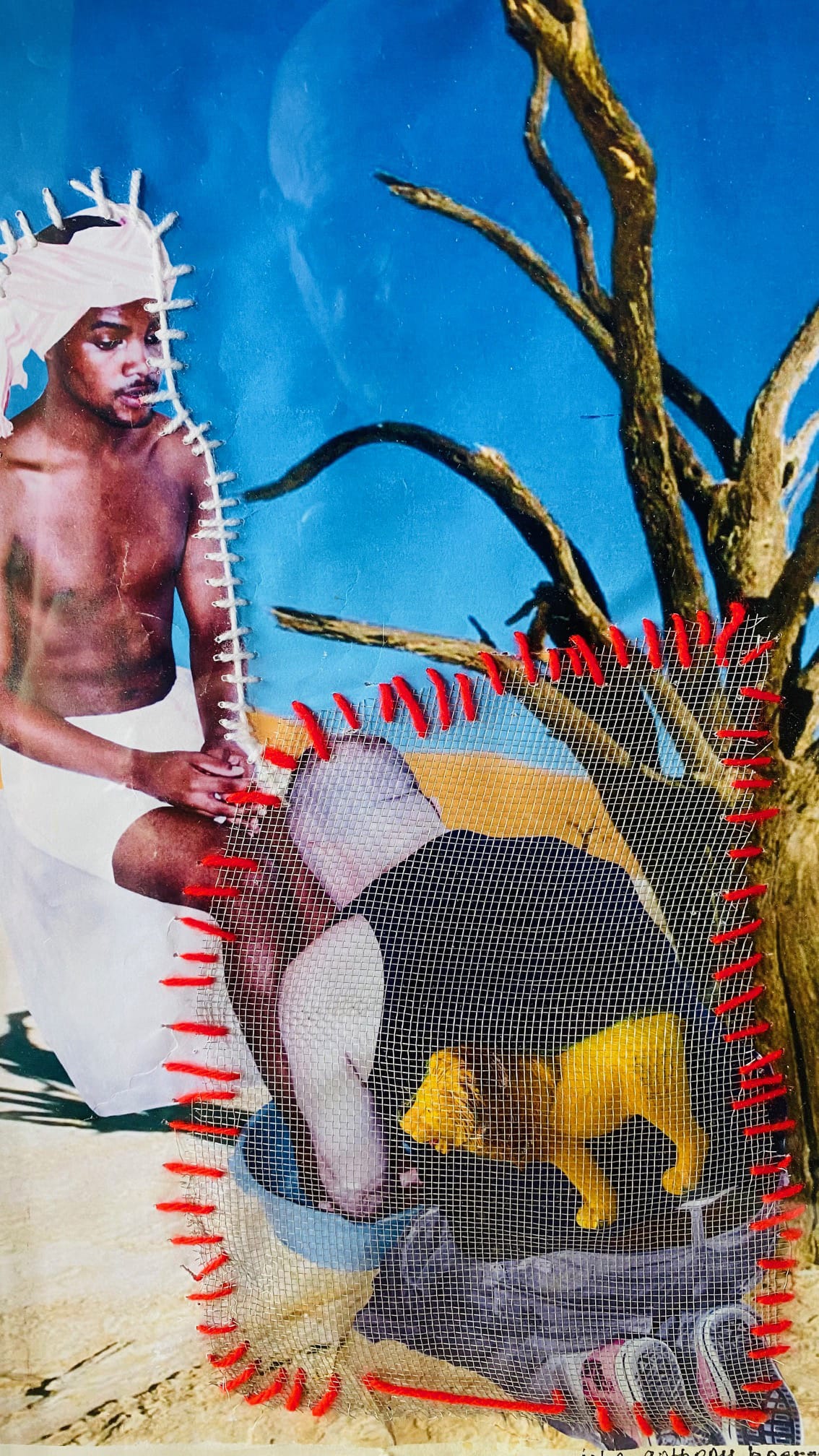
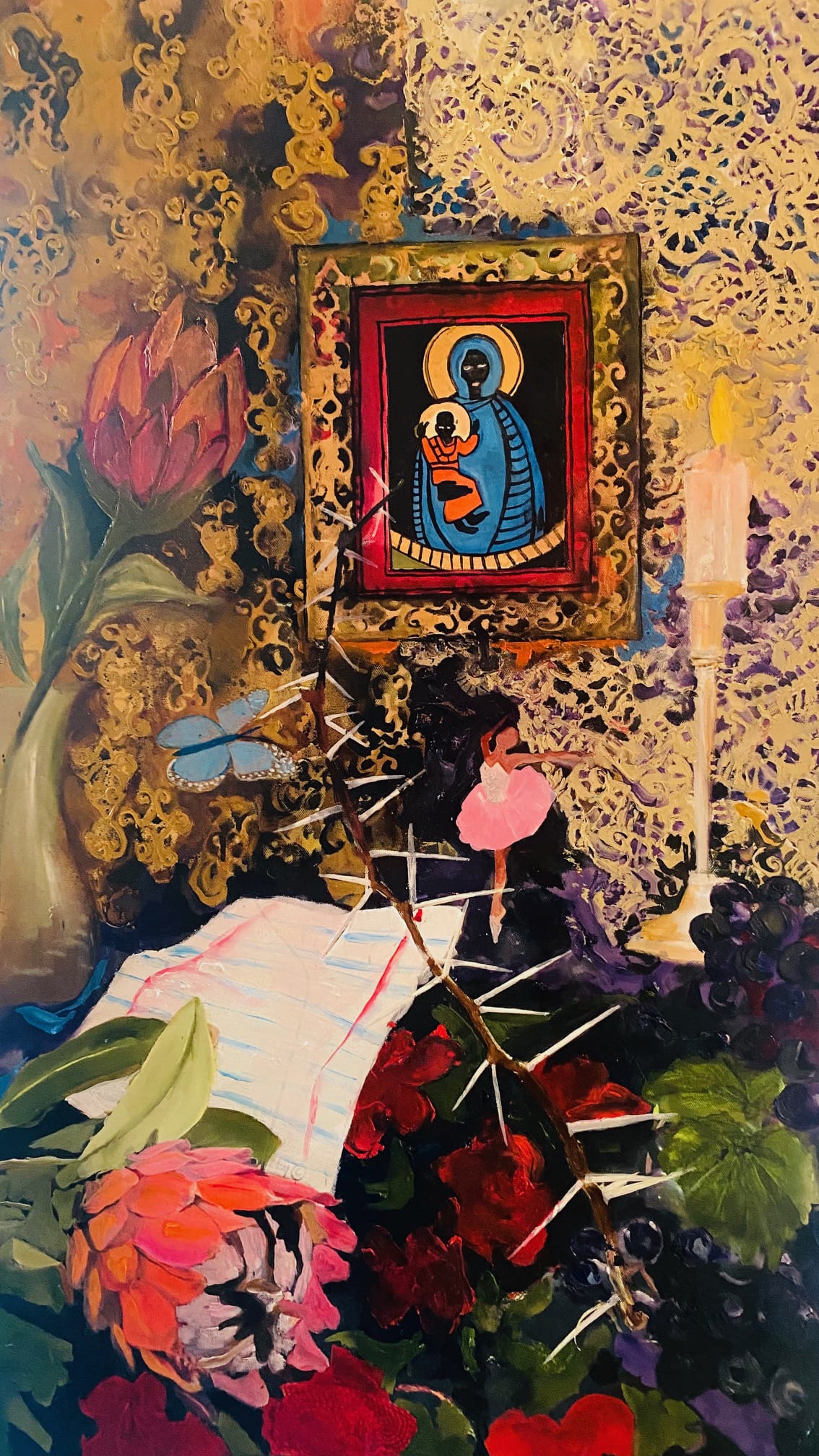
Across his practice, domestic objects become emotional witnesses. Ceramic plates, candles, stitched scars, fried eggs, sailors, hearts, religious icons, plastic toys and handwritten aphorisms appear as fragments of a larger autobiographical mythology. These are not decorative motifs; they are carriers of grief, desire, faith, humour, longing and repair.
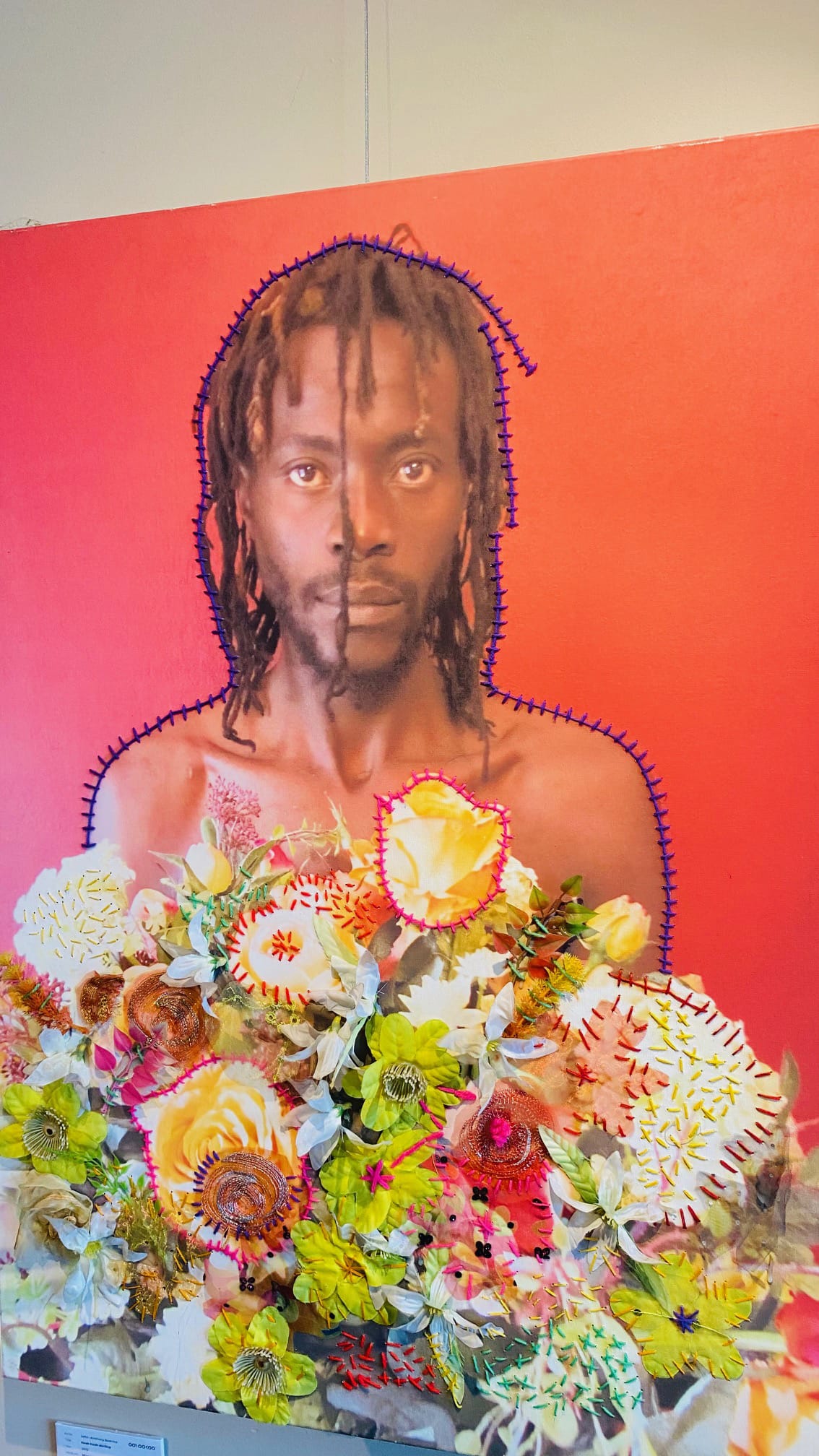
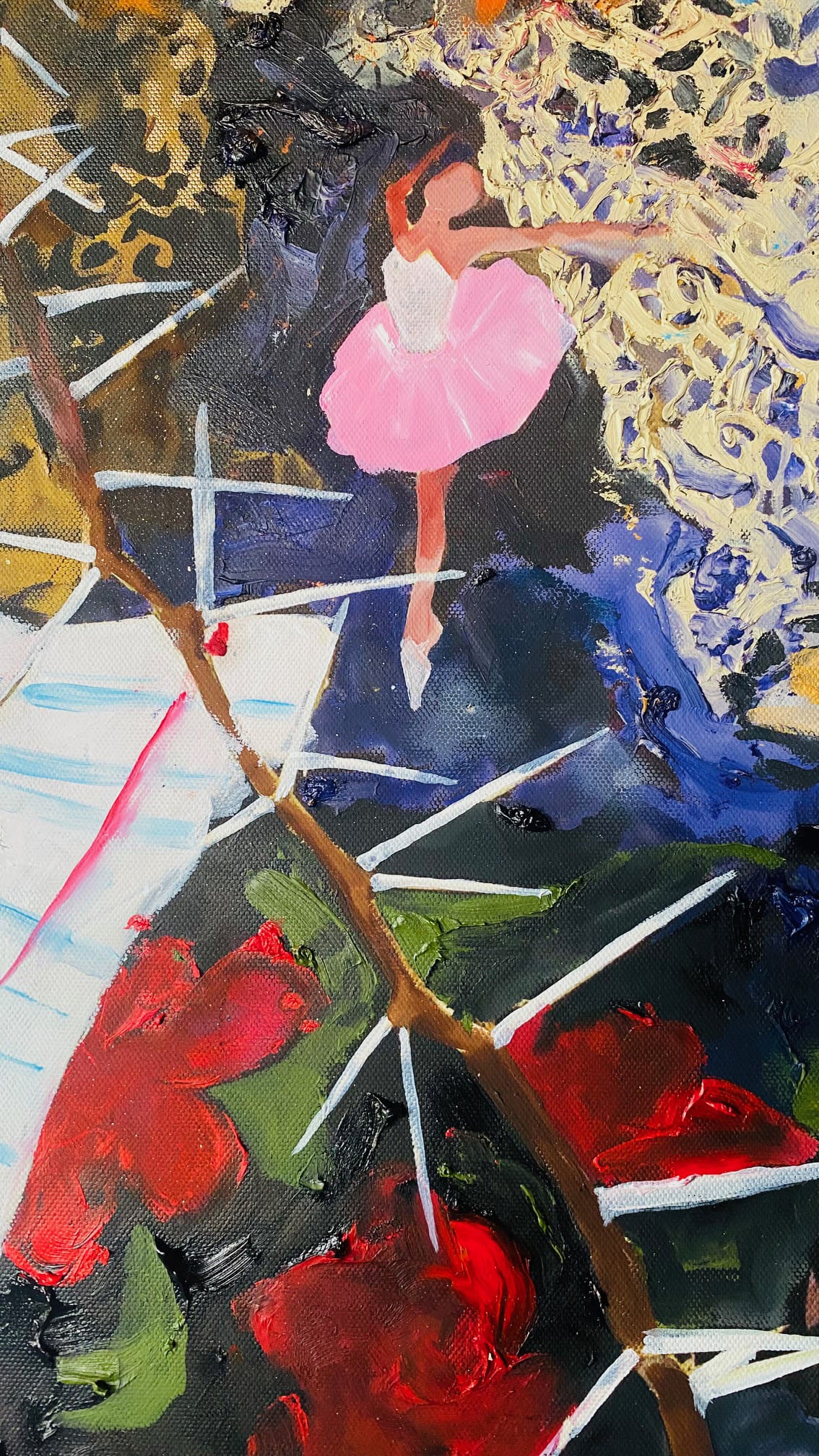
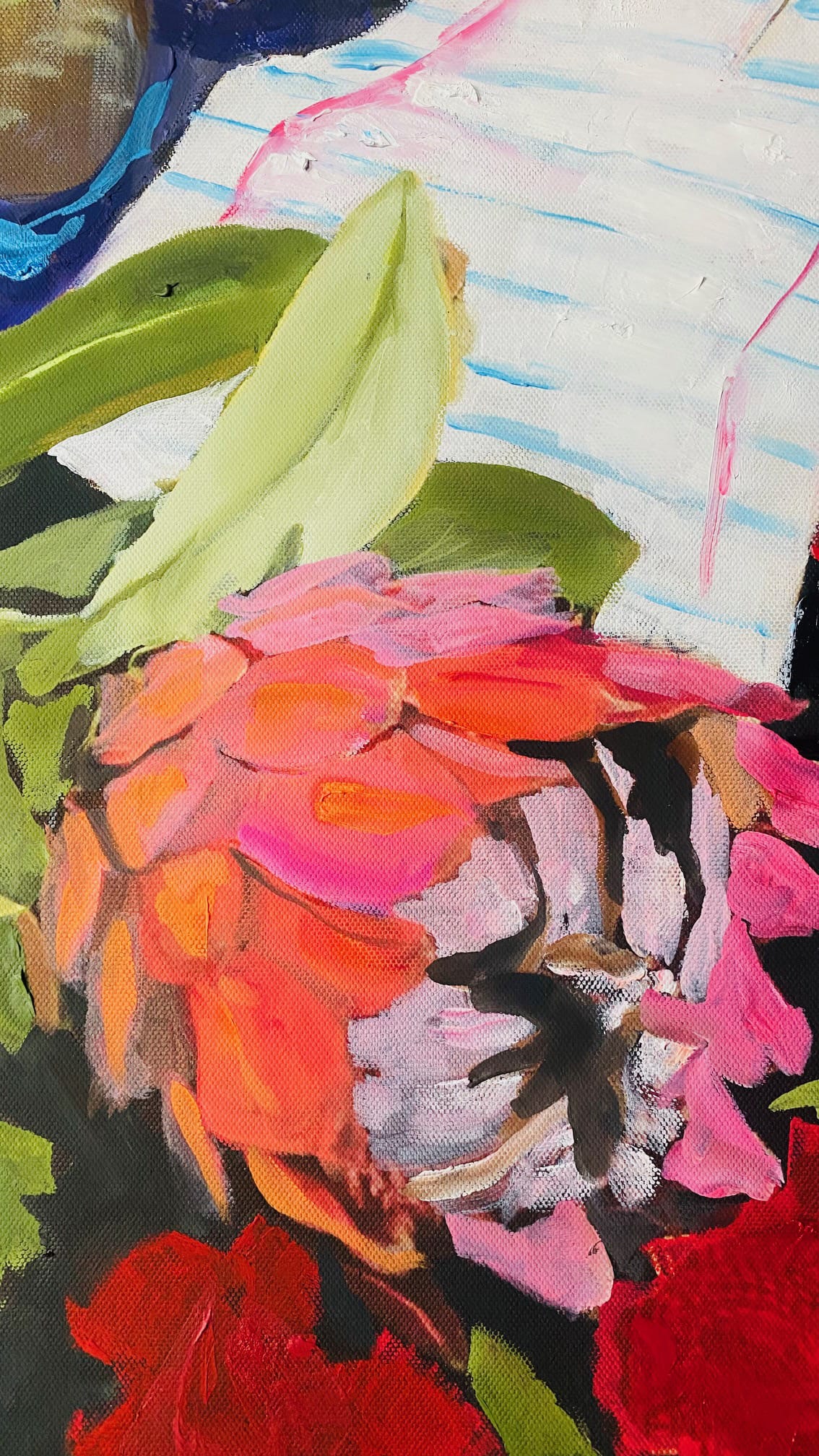
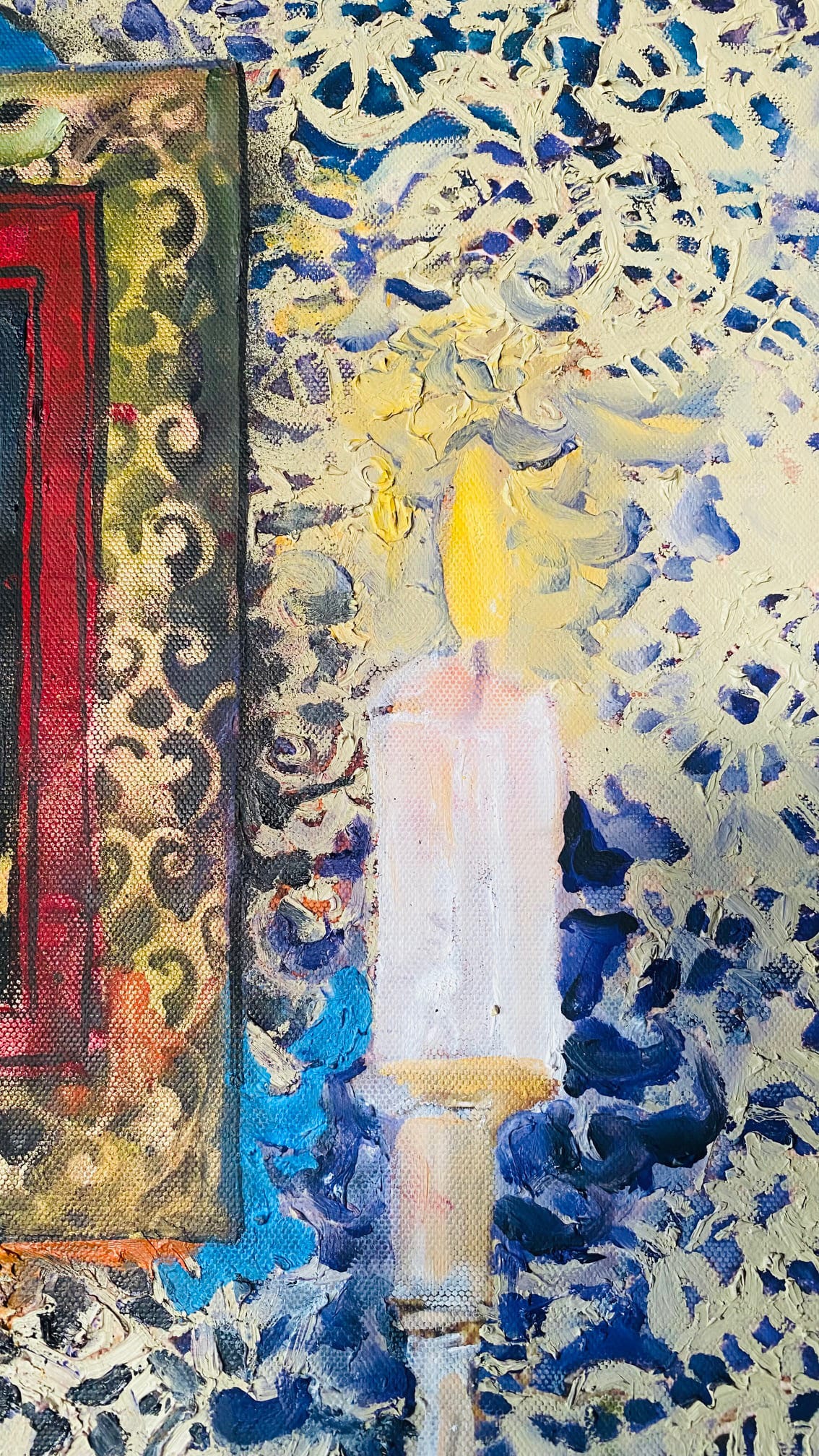
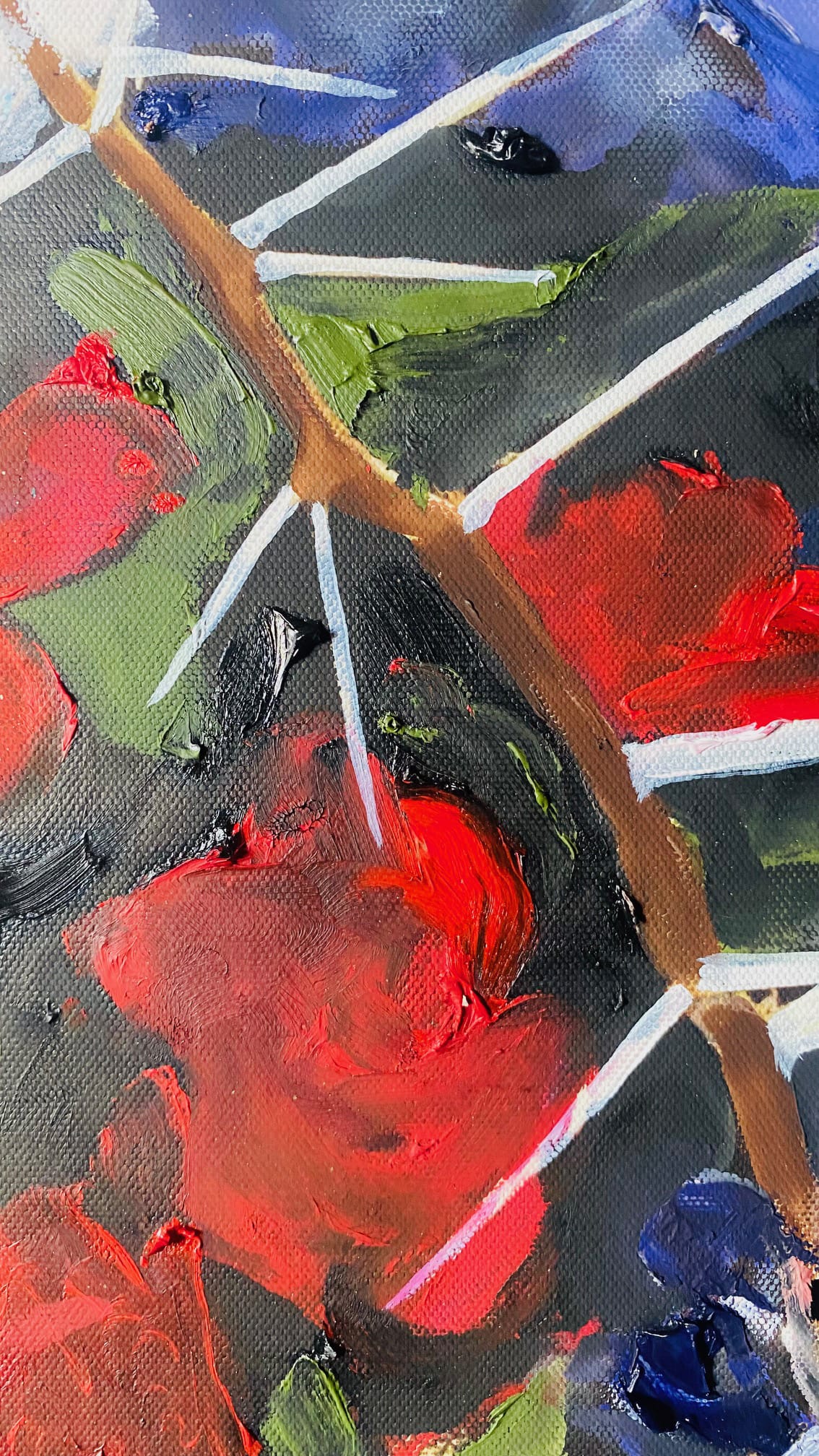
Working between photography, oil paint, installation and handwritten text, Boerma transforms memory into surface. His images begin as carefully staged compositions, then become layered, tactile paintings where the mechanical stillness of the photograph is interrupted by the vulnerability of the hand. The result is a body of work that is deeply personal, historically conscious and emotionally exacting
About
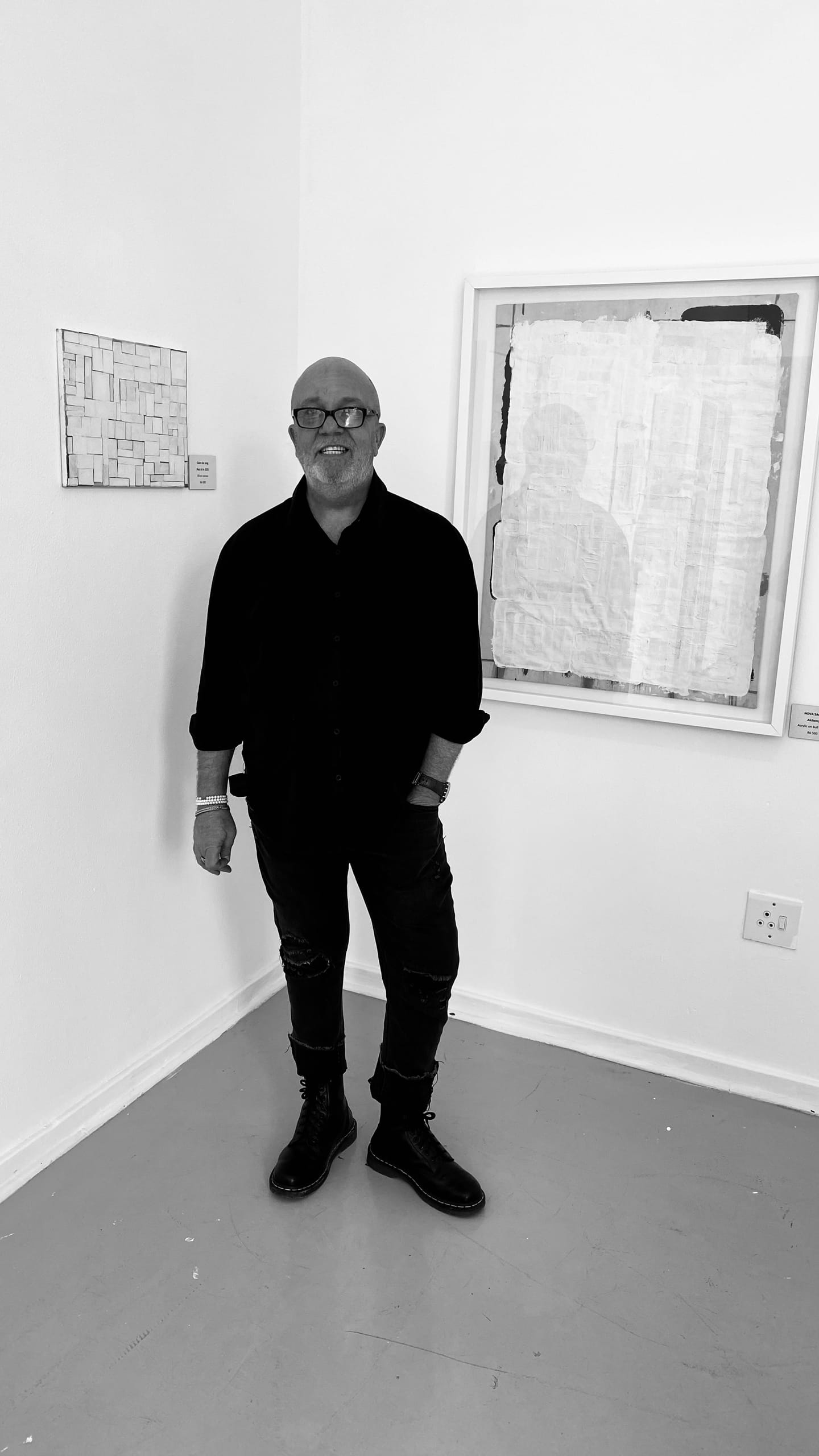
John-Anthony Boerma was born in Nelspruit, South Africa, and came of age during one of the country’s most politically and morally fraught periods. Faced with compulsory military service under apartheid, he left South Africa for the Netherlands — the country of his father’s birth — in an act of refusal, survival and self-definition.
His studies took him from the University of the Witwatersrand to the Minerva Academy in Groningen, and later to Cooper Union in New York City, as part of the artist residency programme. There, shaped by Pop Art, queer performance, drag culture and the downtown art scene, Boerma developed the persona Johnny Golightly — a deliberate act of reinvention that allowed him to move beyond inherited names, histories and expectations.
Download Visitor Companion
Boerma’s completion of his Master’s degree at UNISA became a defining moment in his practice, consolidating his long-standing interest in autobiographical memory. Through this research, he examined how personal history, desire, loss and remembered experience construct identity over time. The academic framework gave new depth to his work, allowing intimate fragments — lyrics, aphorisms, objects and emotional residues — to become part of a larger visual language of memory, selfhood and reflection.
Today, Boerma lives and works in Johannesburg. His mature practice brings together technical precision, symbolic density and confessional honesty. Through painting, installation, ceramics, staged environments and written fragments, he explores love, religion, sexuality, colonialism, displacement, memory, betrayal, forgiveness and the fragile construction of the self.
The Last Supper
Thirteen lives. Broken dreams. Love held in between.
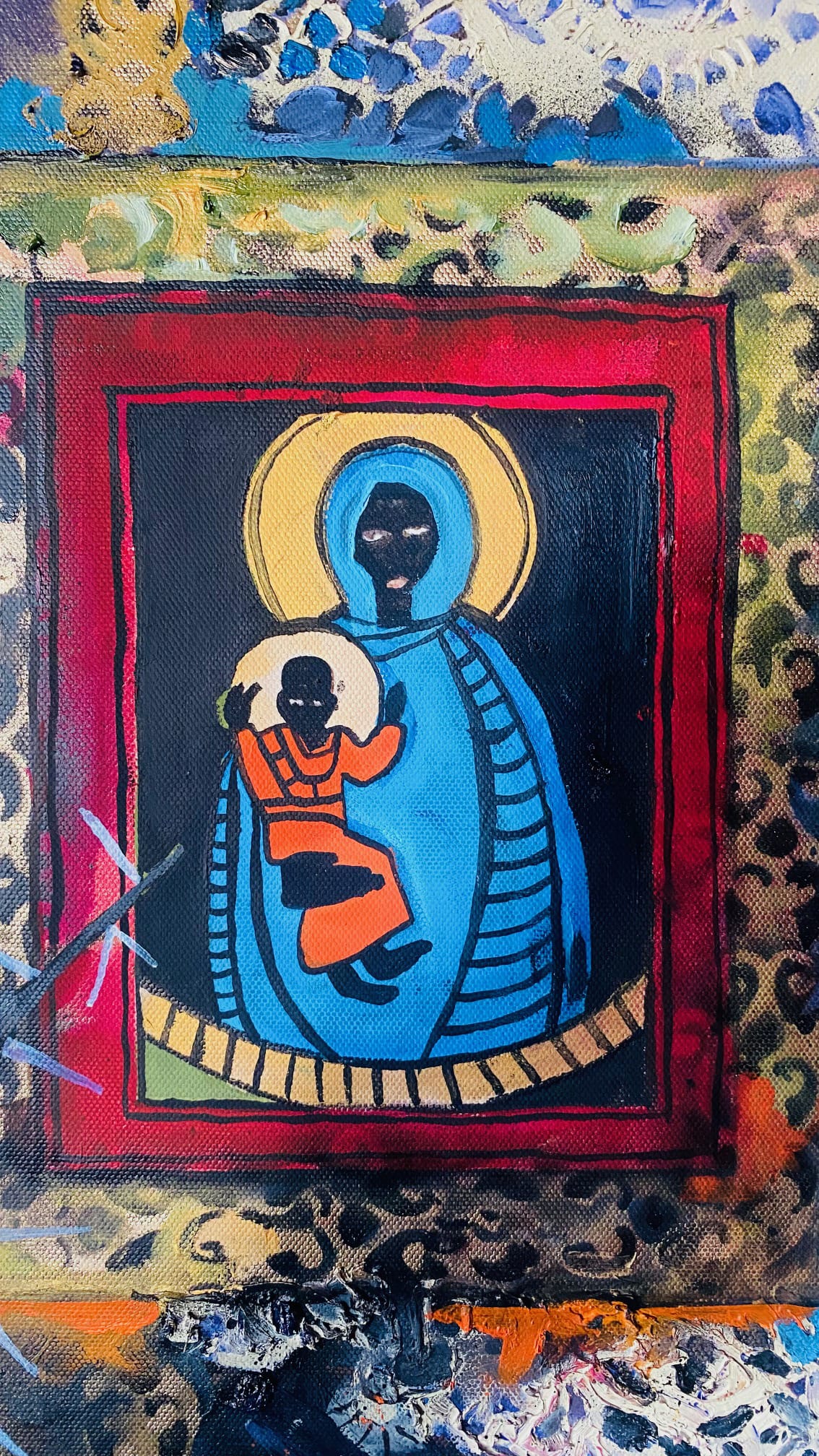
The Last Supper brings together thirteen oil paintings, thirteen ceramic plates and painted diary pages in a symbolic meditation on betrayal, devotion, mortality, forgiveness and hope. Presented through Boerma’s distinctive visual language, the exhibition reimagines the biblical Last Supper as a deeply personal and postcolonial encounter with memory, desire and spiritual reckoning.
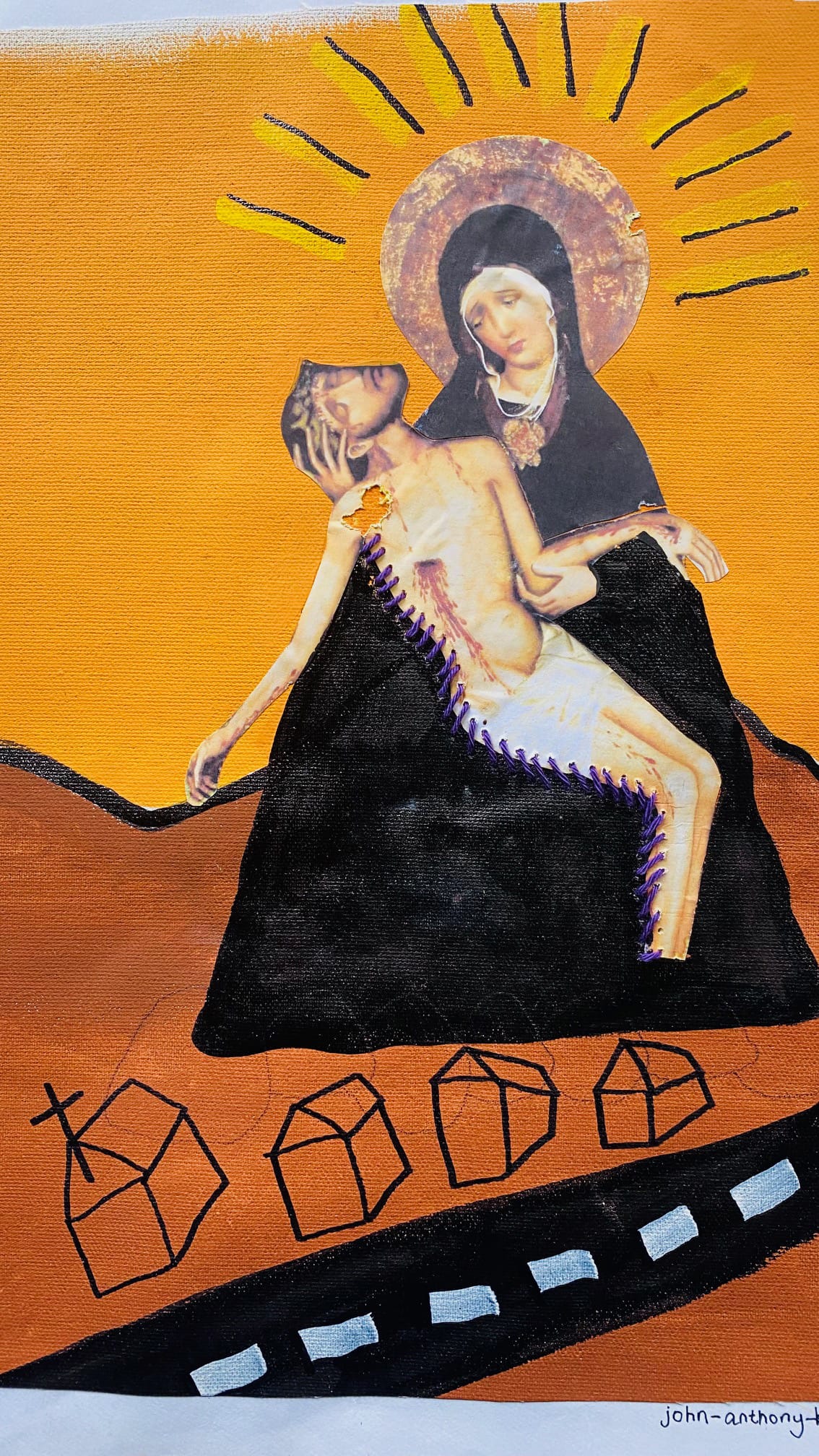
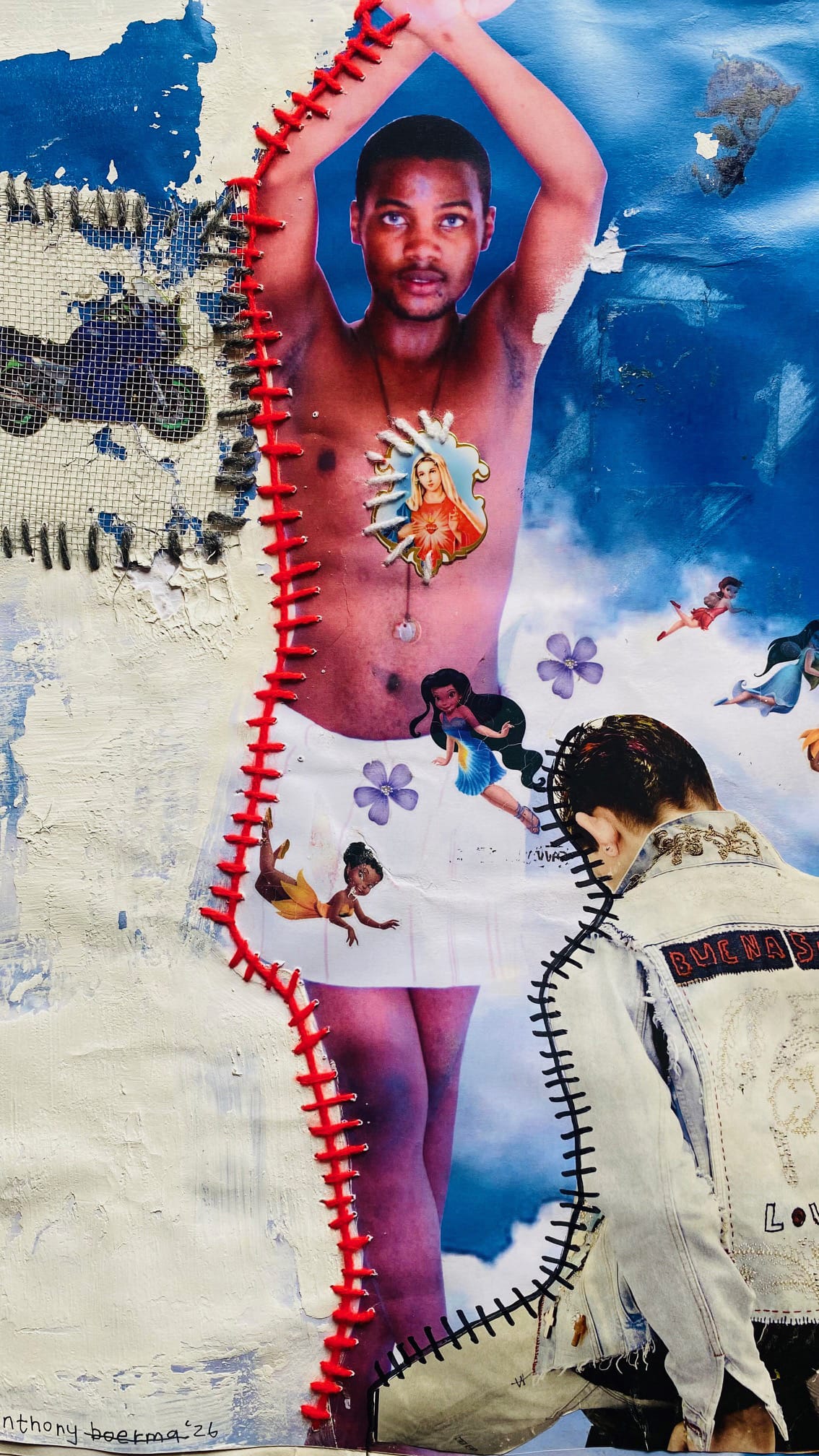
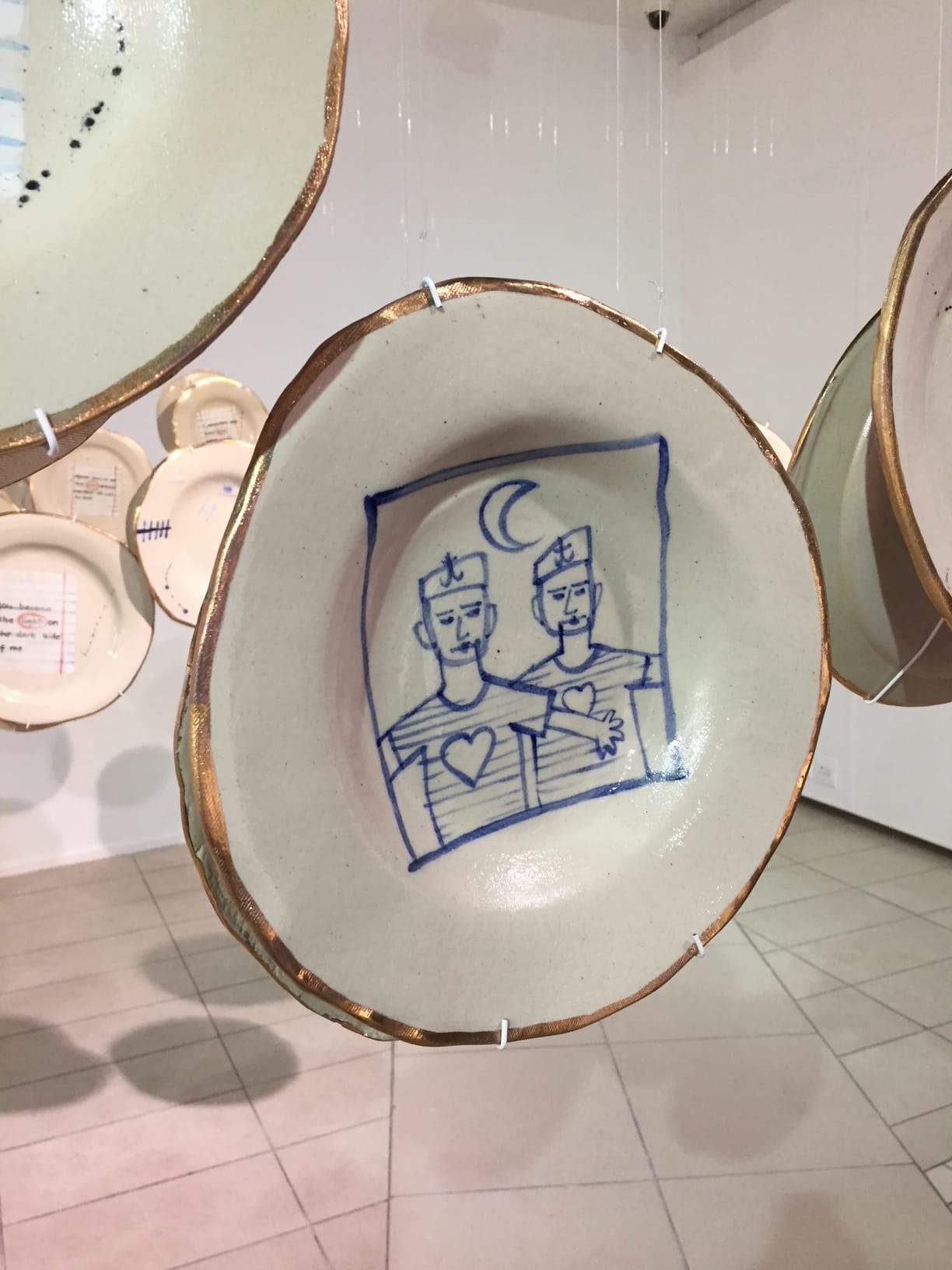
The number thirteen becomes both sacred and intimate — a reference to Christ and his disciples, but also to lives encountered, desired, remembered and lost. Gold-rimmed plates, candles, crucifixes, Madonna and Child imagery, young men, sailors, hearts, toys and stitched surfaces form an emotional landscape where pain and tenderness coexist.
Here, religious symbolism is not treated as distant doctrine. It is brought close to the body, to love, to queerness, to longing, and to the unresolved histories we inherit. The Last Supper invites the viewer into a world where broken dreams are not erased, but held — with humility, compassion and the possibility of restoration.
Love Is a Dangerous Drug
An installation of 200 ceramic plates tracing love and autobiographical memory.
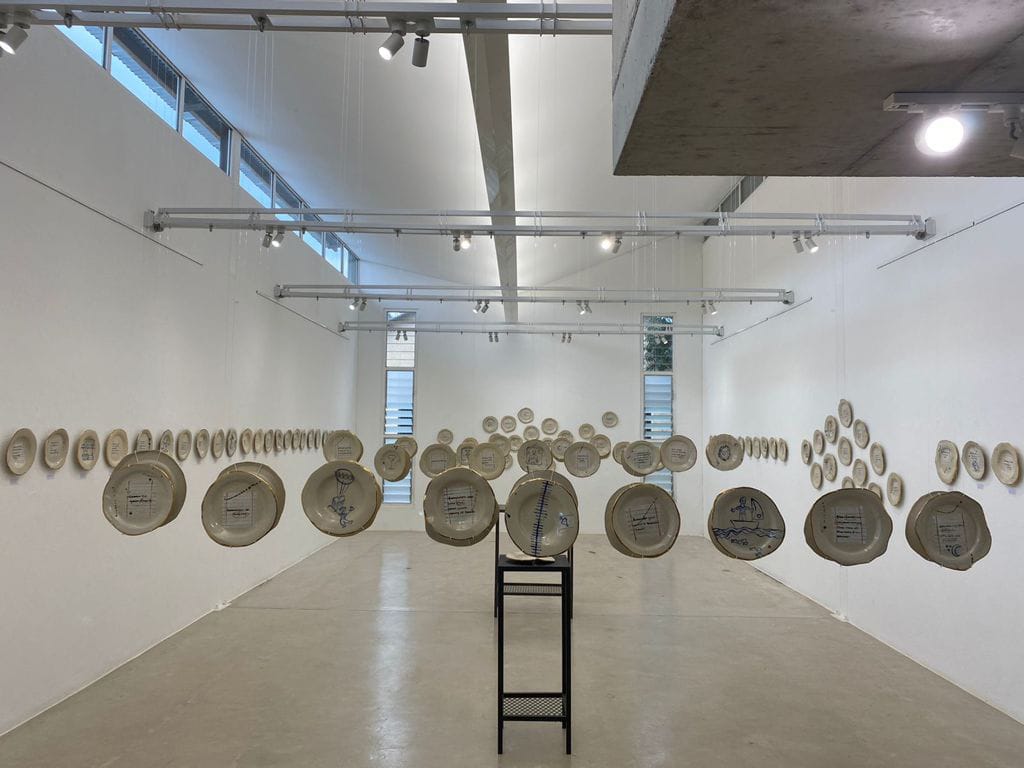
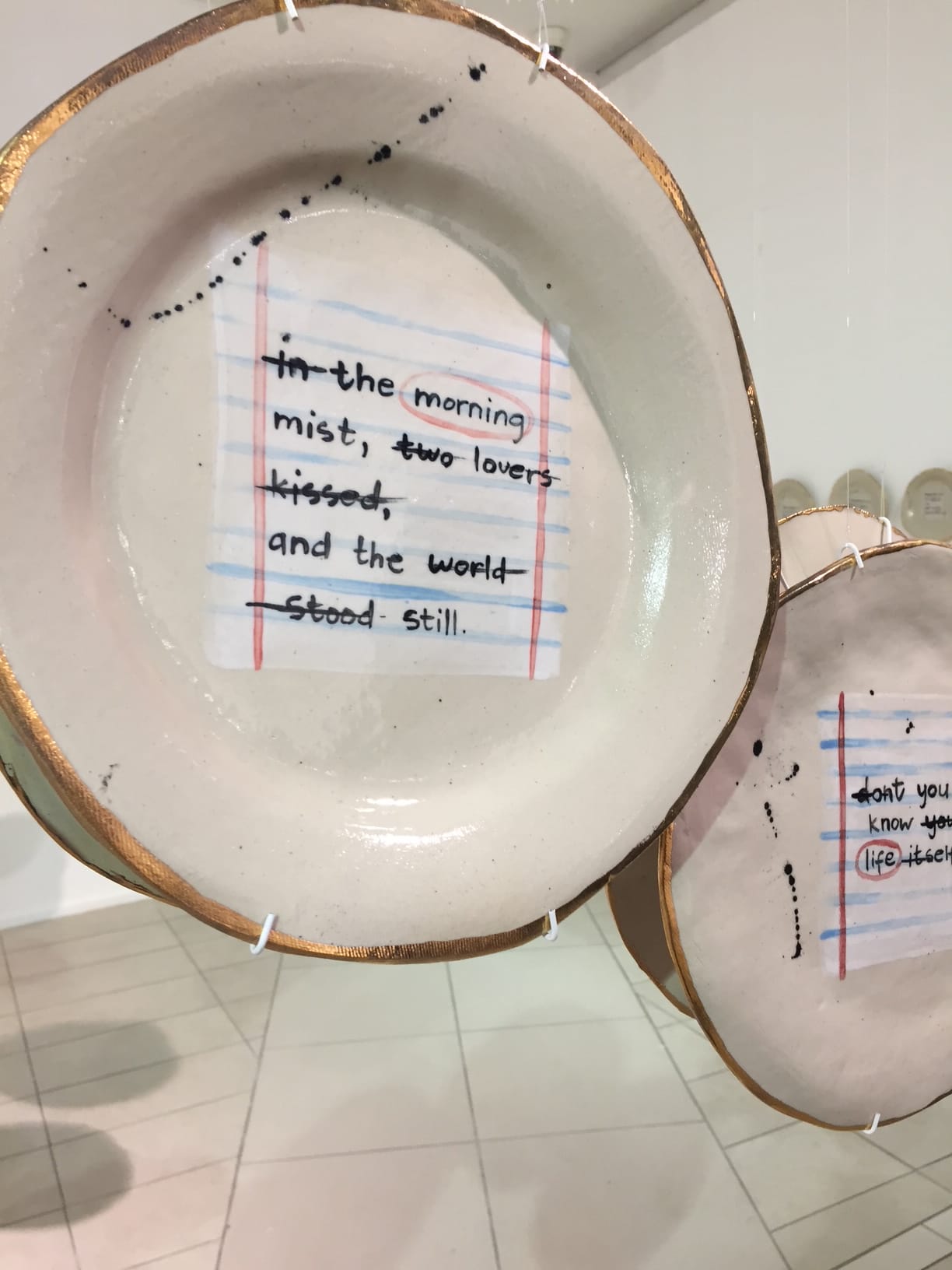
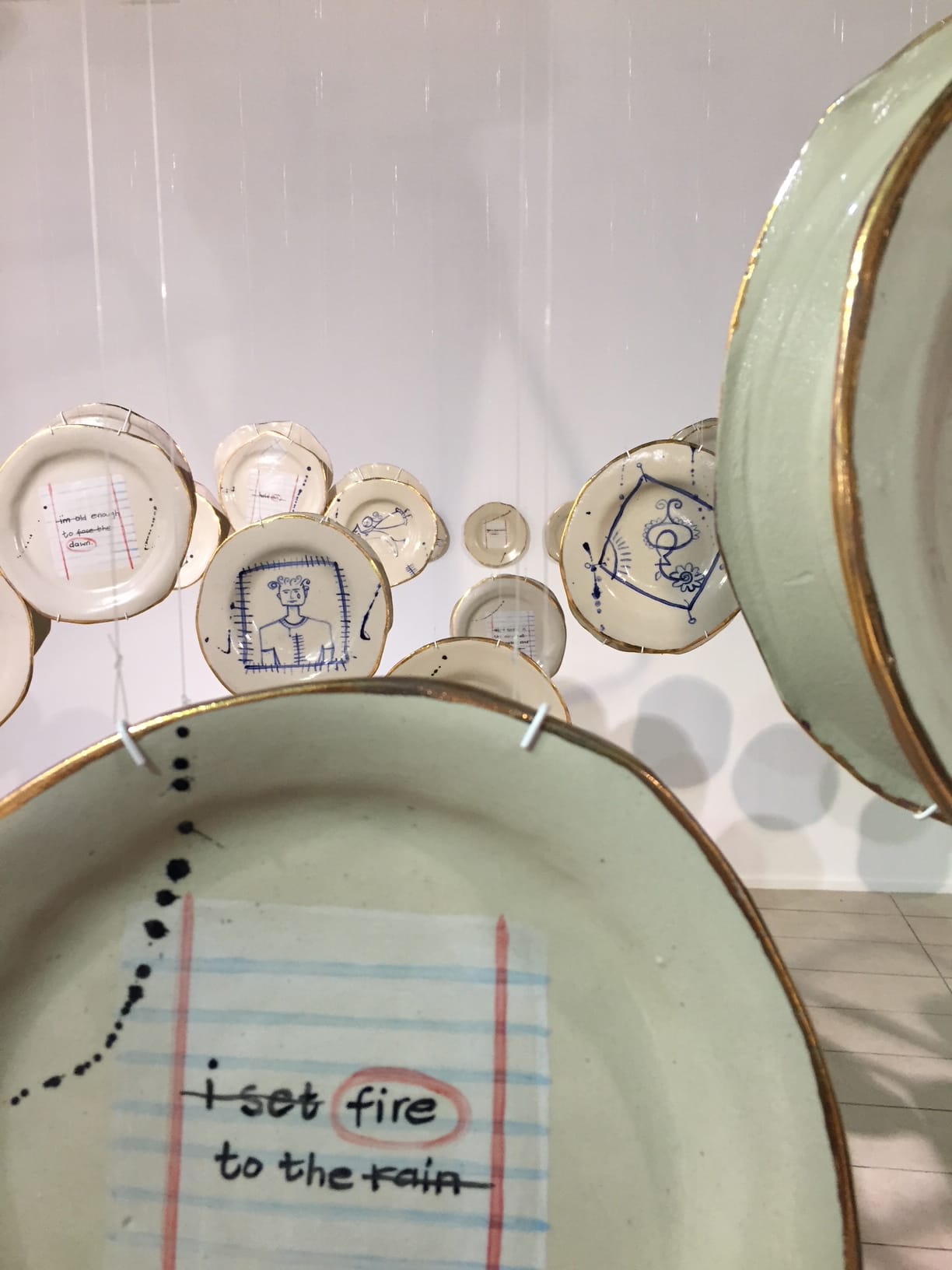
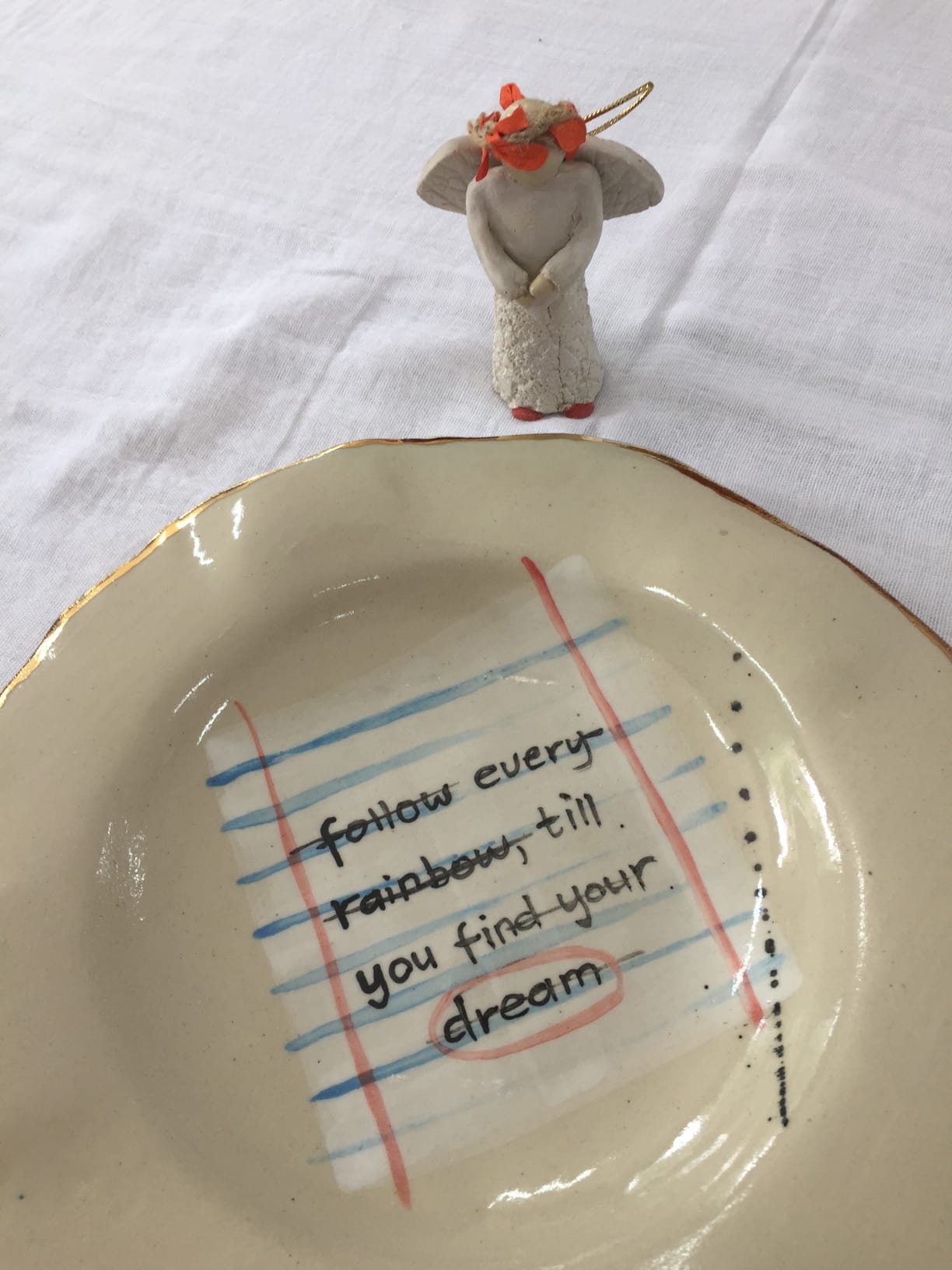
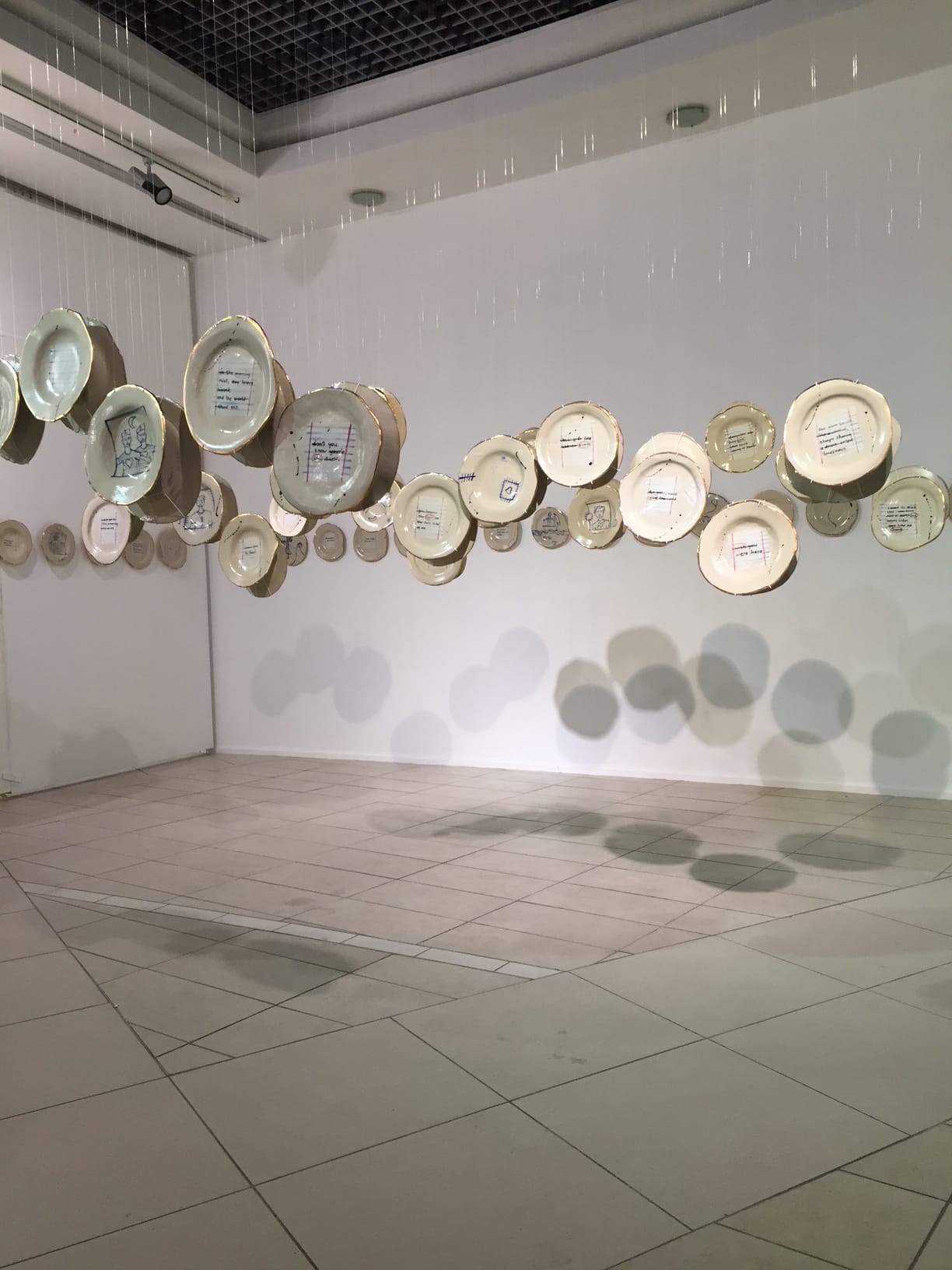
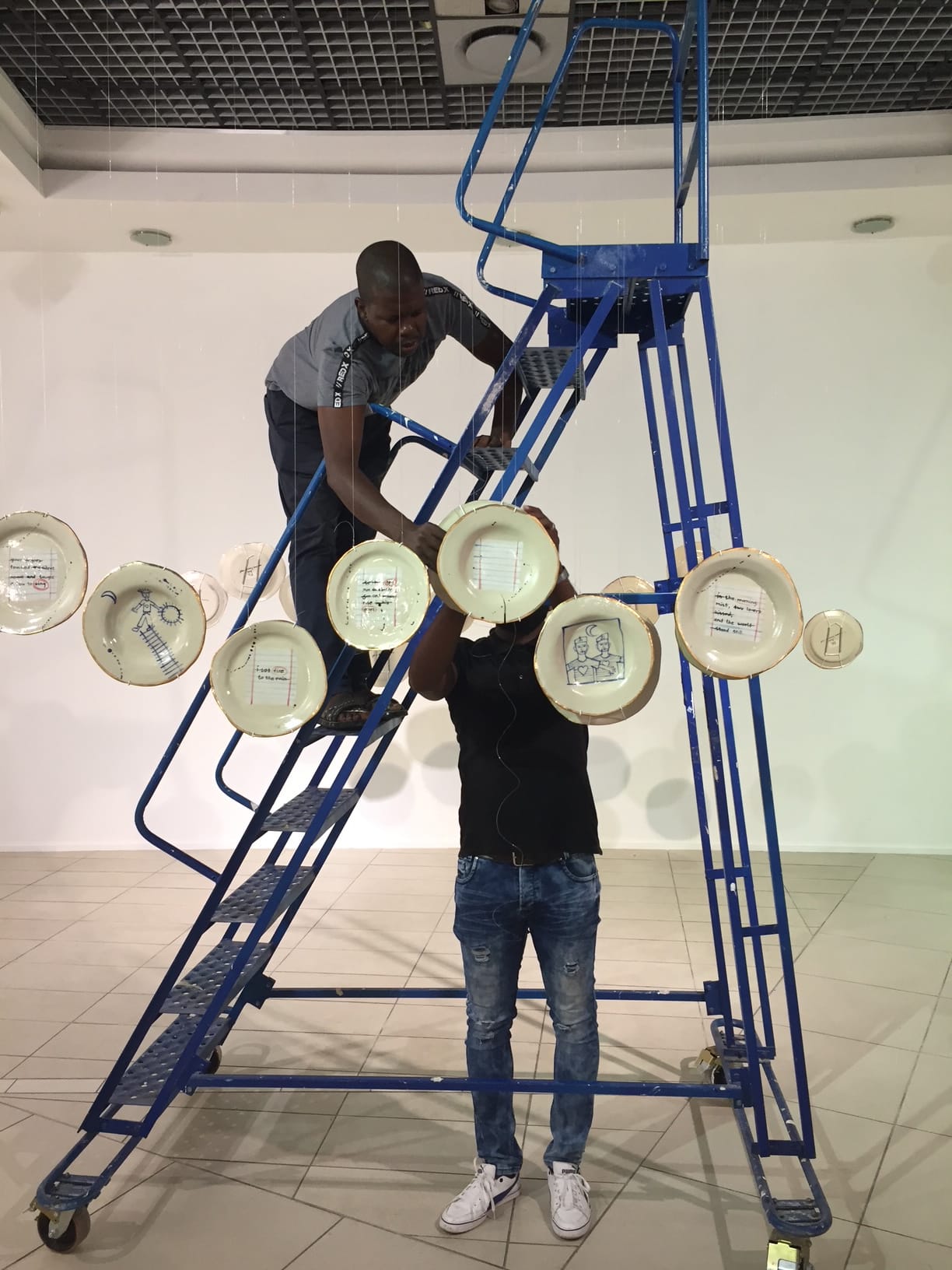
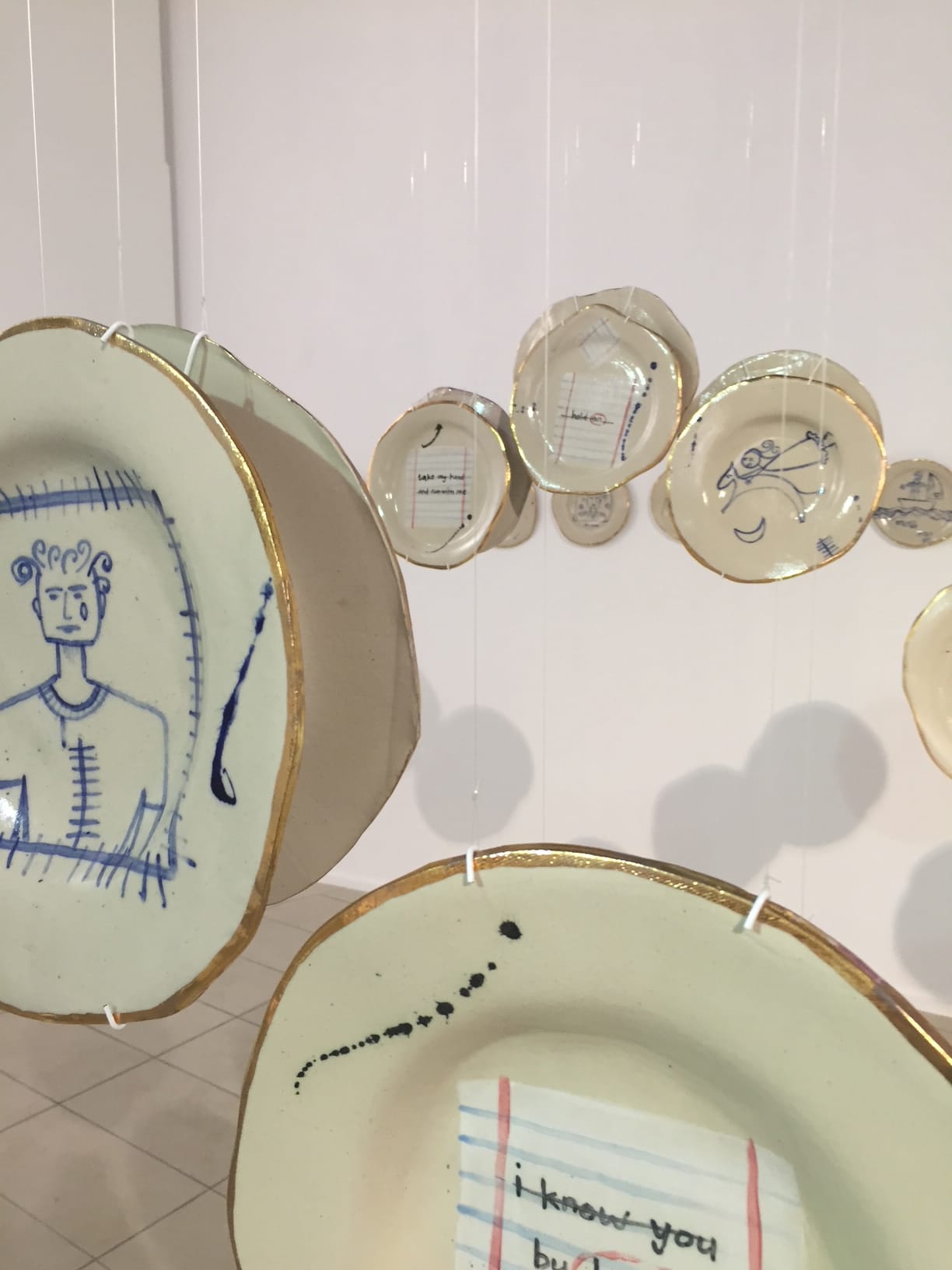
Love Is a Dangerous Drug is an immersive installation of 200 ceramic plates, each transformed into a carrier of memory, longing and emotional residue. Traditionally associated with food, ritual and domestic life, the plate becomes, in Boerma’s hands, an archive of intimacy — fragile, repetitive and unresolved.
Each plate is rimmed with gold lustre, suggesting value and reverence, while its painted surface recalls ruled school notepaper. Onto these surfaces, Boerma inscribes fragments of song lyrics, personal text, spelling mistakes, corrections and red marks. What once symbolised discipline and control becomes a site of confession, revision and emotional exposure.
Suspended in space, the plates appear to float despite their material weight. They hold the contradiction at the centre of the work: love as something precious and destructive, remembered and misremembered, desired and mourned. Rather than romanticising love, Boerma examines it as a cycle of seduction, dependency, rupture and return.
Between Love and Pain
A visual language of doubt, devotion and repair.
Between Love and Pain opens in uncertainty: “I believe in nothing, I doubt everything, even you.” From this provocation, Boerma constructs an exhibition that moves through longing, loneliness, sexuality, spiritual vulnerability and the fragile hope of being found.
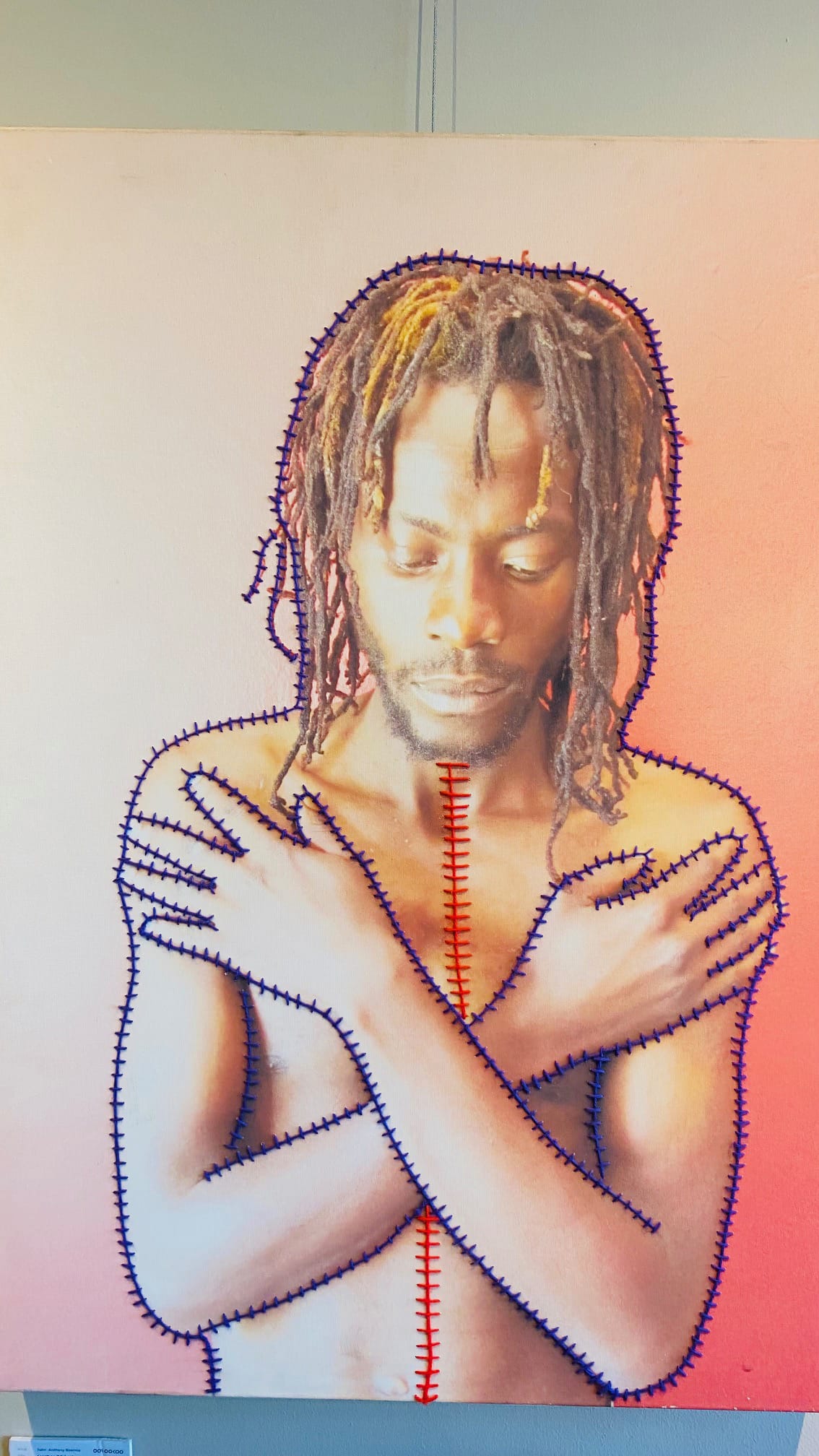
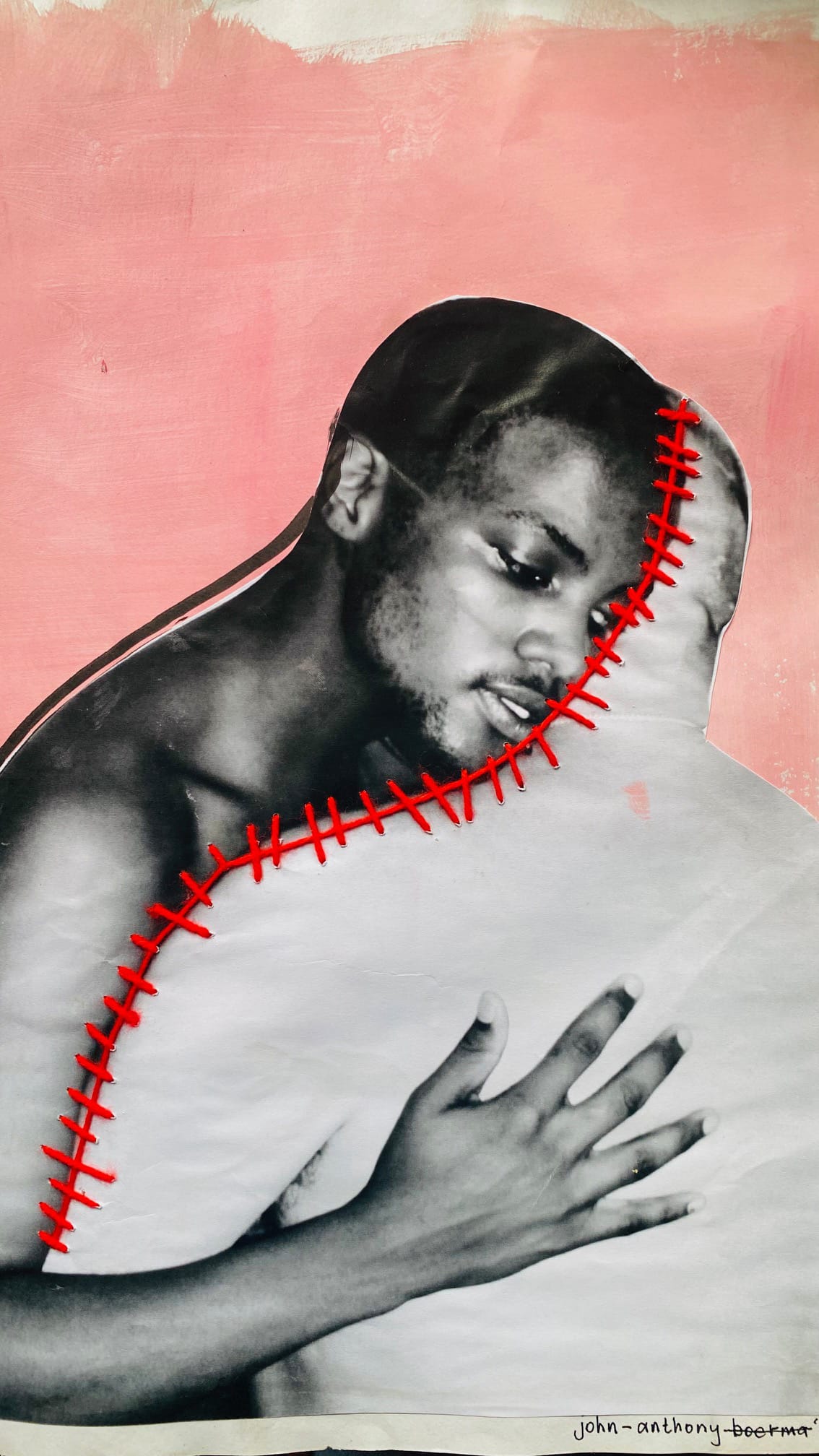
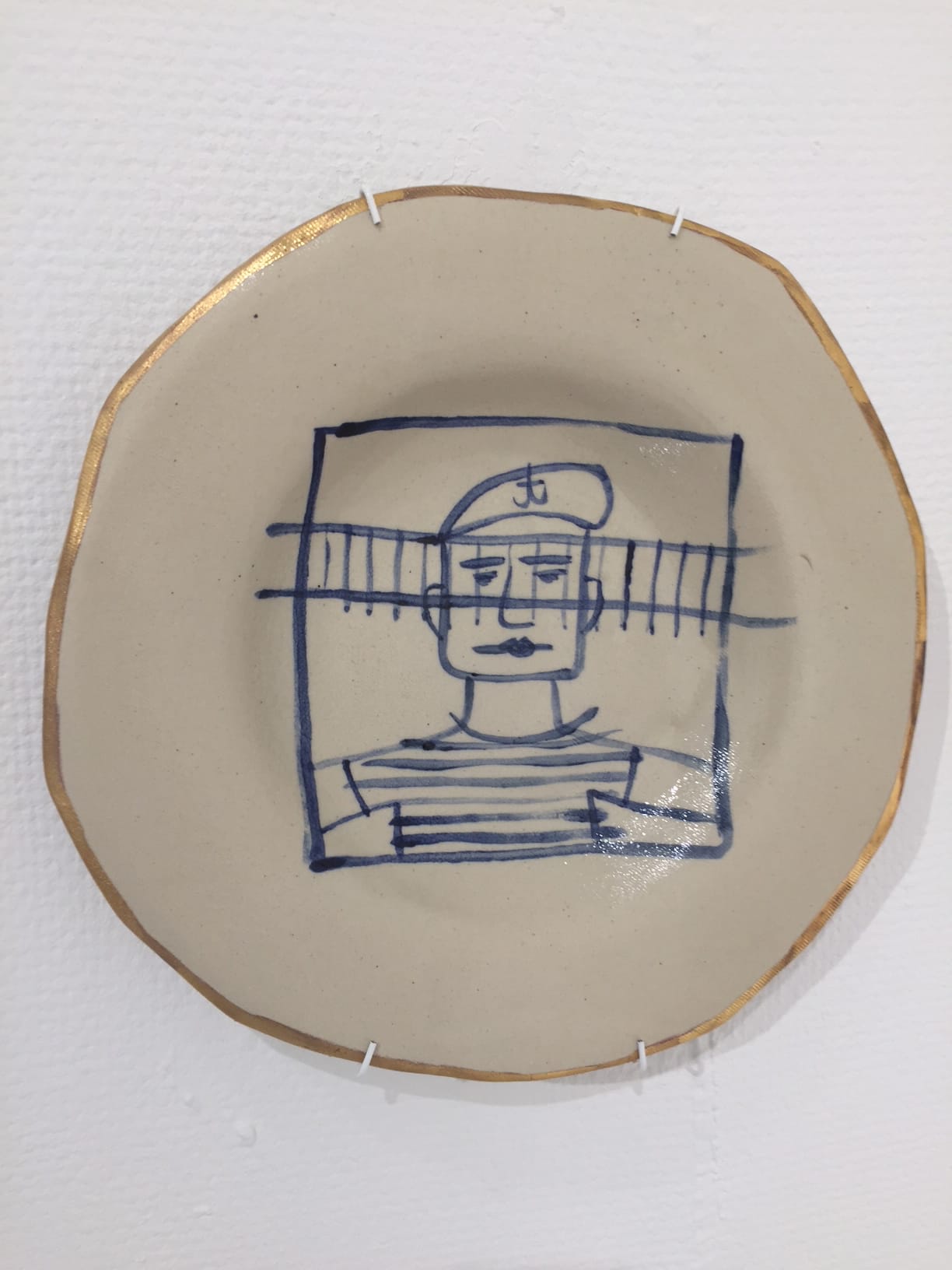
The works do not offer a neat narrative. Instead, they unfold as constellations of recurring symbols — stitched skin, sailor uniforms, sacred references, whispered phrases and emotional fragments. Each image becomes a coordinate in a larger emotional map, where love and pain are not opposites but inseparable forces.
Stitching is central to the language of this body of work. It is both wound and repair, damage and devotion. Through it, Boerma suggests that healing does not erase hurt; it carries it differently. Between Love and Pain is ultimately a meditation on the contradictions that make us human: belief and disbelief, exposure and protection, desire and restraint, rupture and continuation.